• The History of Horses in the USA

    How Equines Shaped America’s 250 Years of Independence

From War Mounts to Mustangs: 250 Years of American Horse History

Horses have shaped America for 250 years—carrying soldiers to independence, settling the frontier, powering farms and cities, and motivating a nation. Today, the U.S. is home to over 6.7 million horses, supporting a $177 billion industry, even as wild mustangs and therapy horses keep the bond alive.

What would American history look like without the horse? It’s hard to imagine. Before engines roared and highways stretched coast to coast, horses did the heavy lifting. They carried generals into battle, hauled families west, pulled streetcars through busy cities, and plowed the fields that fed a growing nation.

As America marks its 250th birthday in 2026, it’s the perfect moment to look back at the four-legged partners who helped build it. From George Washington’s beloved warhorse to the wild mustangs roaming public lands today, horses have been woven into the story of American freedom every step of the way.

So saddle up. Here’s how horses shaped 250 years of American independence—decade by decade, hoofbeat by hoofbeat.
1776-1899: Revolutionary War Horsepower

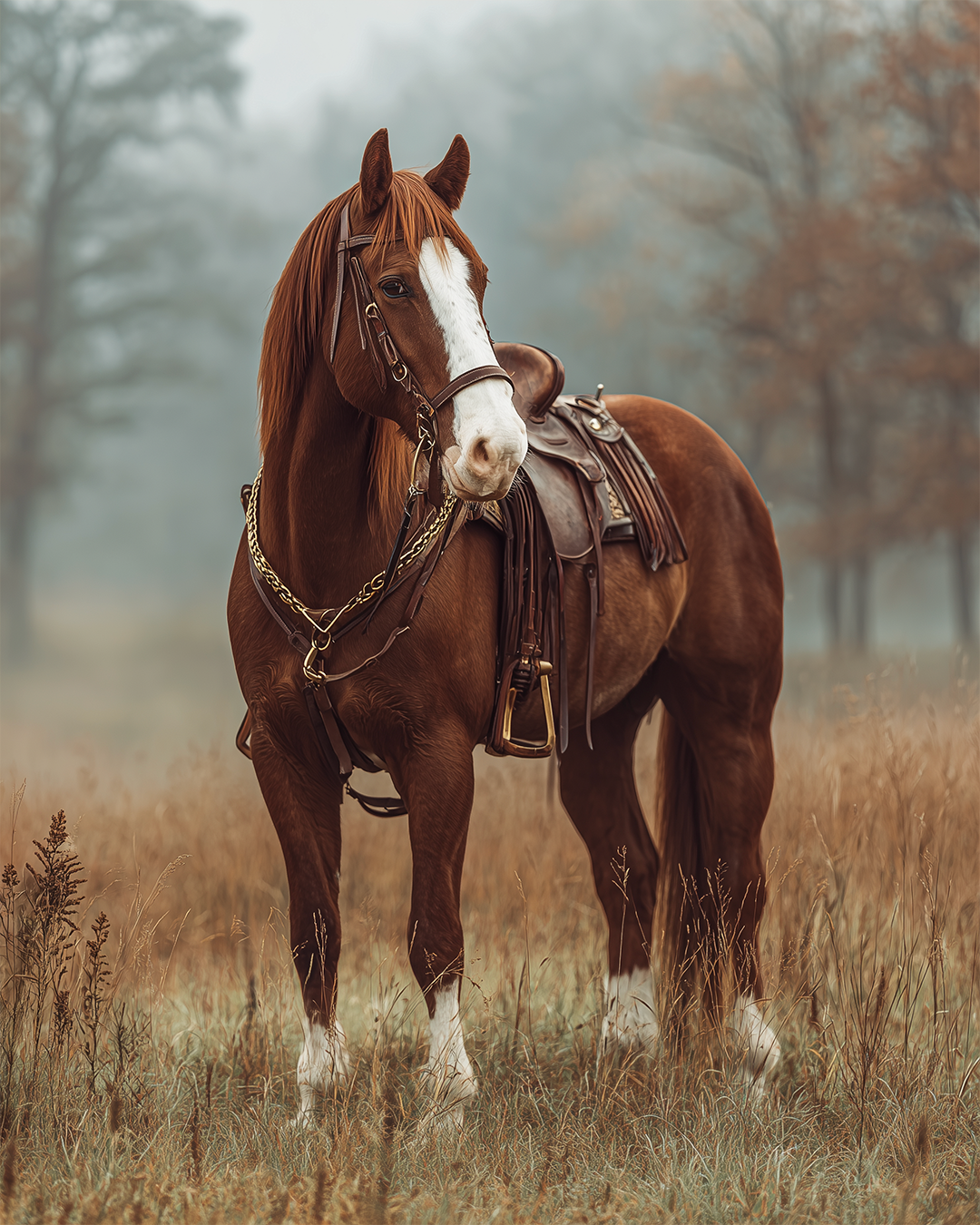
A magnificent chestnut Colonial American war horse standing proudly in a misty Virginia meadow at sunrise, wearing authentic 1770s Continental Army tack, calm intelligent expression, subtle white blaze and white stockings inspired by George Washington's horse Nelson, tall powerful build, wild grasses gently moving, distant oak trees, soft golden morning light.

Horses in America’s Fight for Independence

When the colonies fought for freedom, they didn’t do it on foot alone. Horses carried officers, scouts, and supplies across the battlefield, and few were as famous as George Washington’s mount, Nelson.

Born around 1763, Nelson was a chestnut horse standing 16 hands high, with a white face and legs. Thomas Nelson of Virginia gifted the horse to Washington in 1778, after the general struggled to find a suitable replacement mount. Washington favored Nelson over his other horse, Blueskin, for one practical reason: Nelson stayed calm during cannon fire and the turmoil of battle. That steady temperament mattered. Washington chose to ride Nelson on the day Lord Cornwallis surrendered at Yorktown in 1781—the moment that all but sealed American independence.

Washington was no typical rider, either. Thomas Jefferson once called him “the best horseman of his age.” After the war, Nelson lived out his days at Mount Vernon as a pampered celebrity, often trotting to the fence to greet his old master. He died around 1790 at the ripe age of 27.

The connection to July 4th couldn’t be clearer. The same independence Americans celebrate today was won, in part, on horseback. Steady, loyal horses like Nelson carried the Revolution forward when the stakes were highest.

1800-1825: Building a New Nation on Hoofbeats

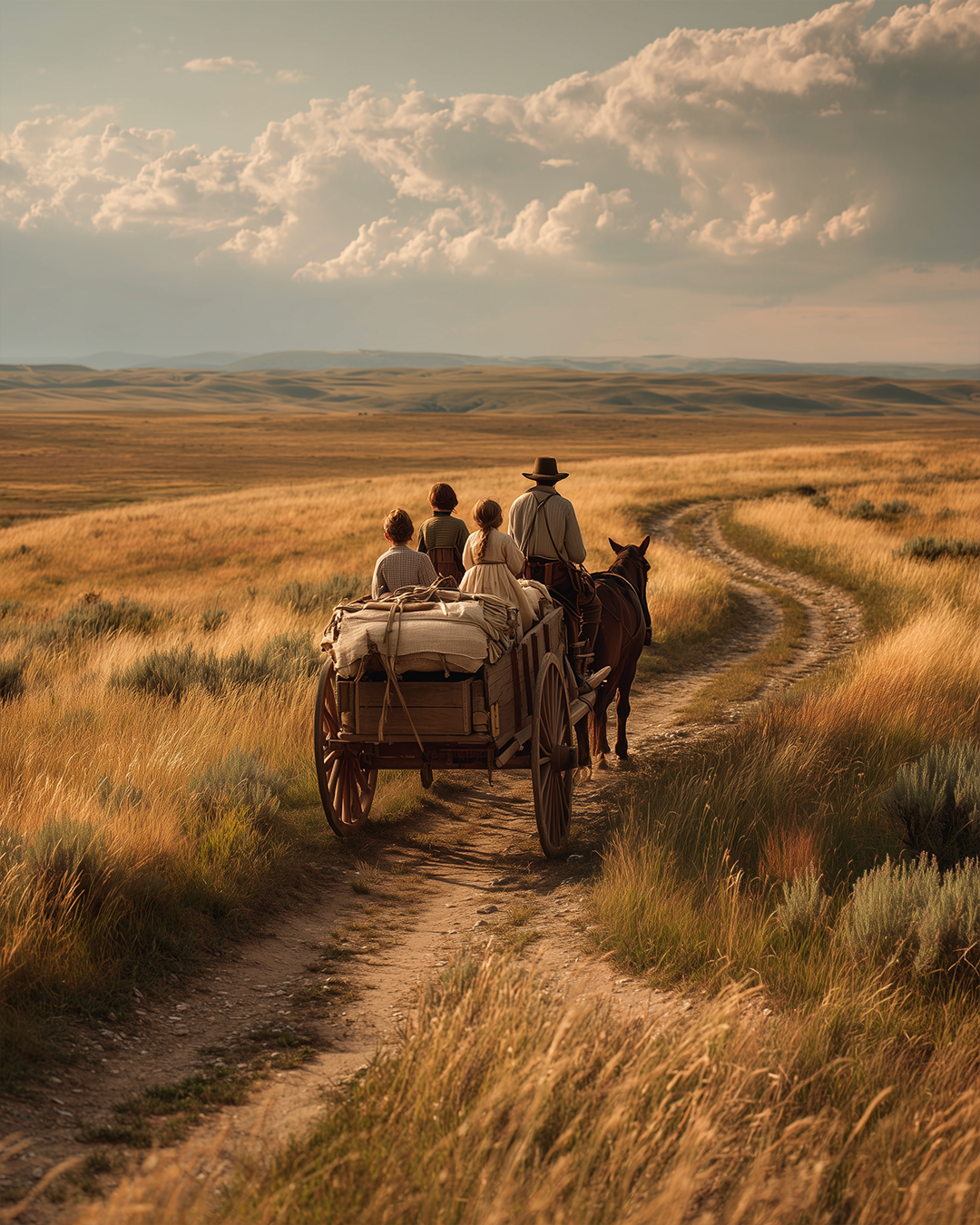
An early American pioneer family traveling west with a horse pulling a simple wooden wagon along a winding prairie trail, another rider mounted beside the wagon, endless rolling grasslands beneath a brilliant summer sky, children looking ahead with hope, authentic clothing from 1810.

Horses in the Early United States

With independence secured, a young nation looked westward—and horses led the way. As settlers pushed beyond the earliest colonies, horses grew essential for exploration, transportation, and trade.

When President Thomas Jefferson sent Lewis and Clark on their famous expedition in 1804, horses played a key role in crossing harsh terrain that boats and wagons couldn’t handle. The Corps of Discovery relied on horses traded by Native American tribes, such as the Shoshone, to cross the Rocky Mountains. Without them, the journey that mapped the American West might have stalled at the foothills.

For everyday Americans, horses meant freedom of movement. A family with a horse could reach new markets, claim distant farmland, and connect with growing communities. In a country defined by wide-open space, the horse was the engine of opportunity.

This era captures something essential about the American spirit: the will to explore, expand, and build. Just as the Founders dreamed of a nation stretching across a continent, horses made that dream physically possible.

1826-1850: From Dirt Roads to Railroads

Working Horses in 19th-Century America

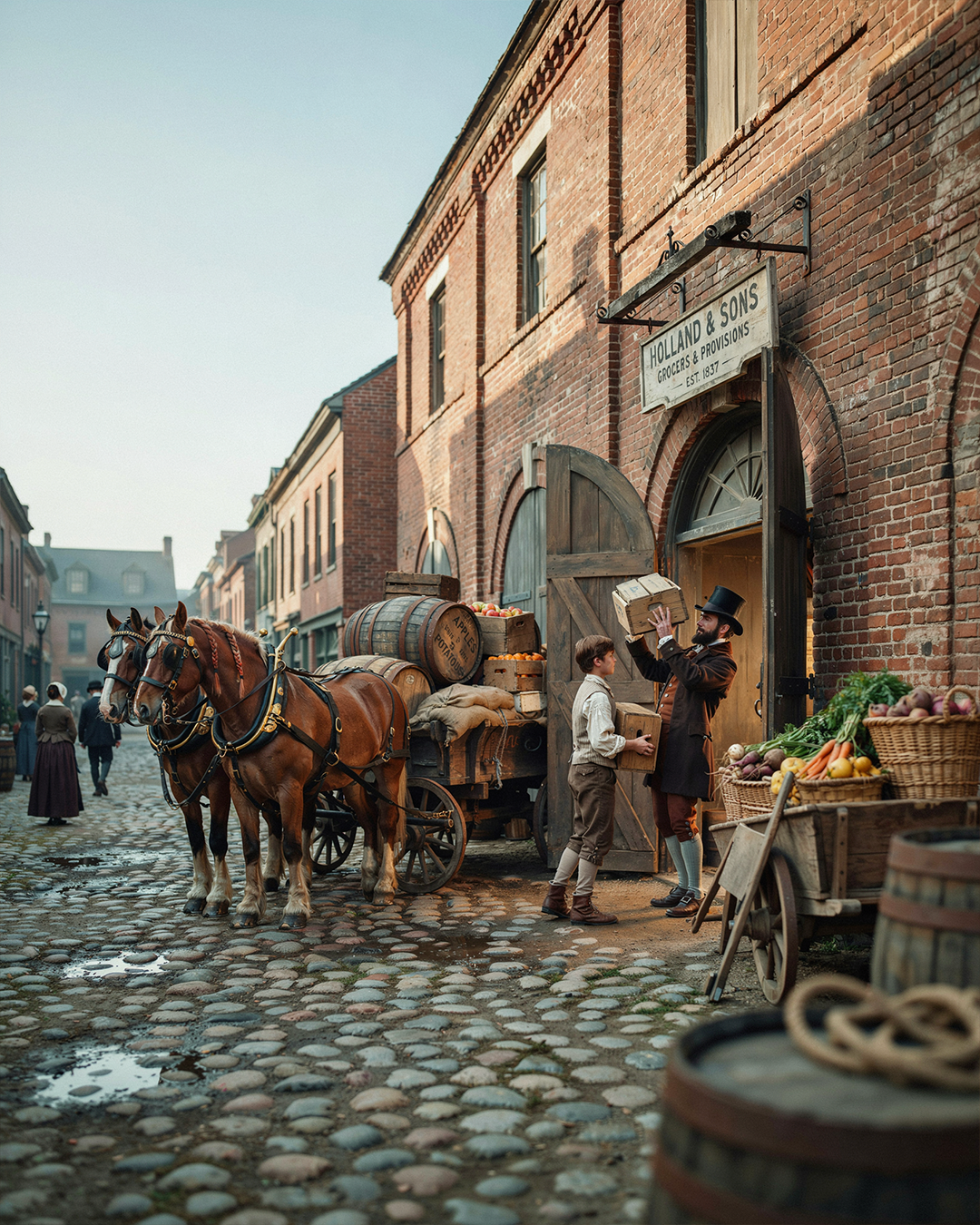
As America grew, so did its appetite for movement. Cities needed transit. Mail needed delivery. Goods need to be hauled. And before steam and steel took over, horses powered it all.

In 1832, a bank president named John Mason introduced the first horse-drawn streetcar to New York City’s Bowery. The idea was simple but revolutionary: put a carriage on rails and let a horse pull it smoothly through crowded streets. The concept spread quickly, changing how Americans moved through their cities.

Out on the open road, horses carried the nation’s communication. While the famous Pony Express came a bit later—operating for just 18 months between April 1860 and October 1861—it became a legend by carrying mail from Missouri to California in only 10 days. Young riders galloped across 2,000 miles of frontier, swapping horses at relay stations to keep the mail moving.

Why does this matter for American identity? Connection. A democracy depends on the free flow of people, goods, and ideas. Horses kept that flow moving long before telegraph wires and train tracks crisscrossed the land.

1850-1875: Horses of the Civil War

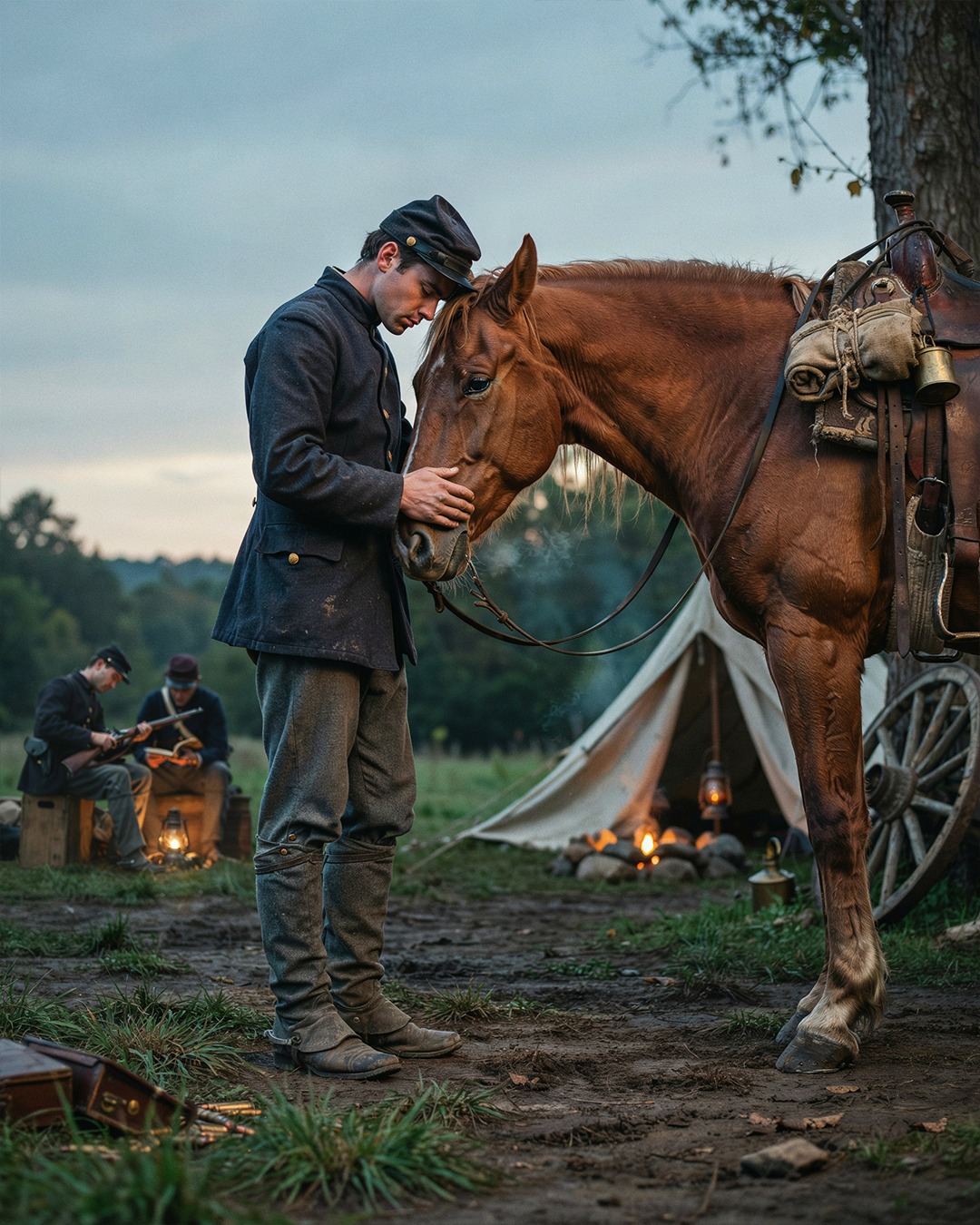
A weary Civil War soldier gently resting his forehead against the face of his loyal cavalry horse at dusk, authentic Union uniform, worn leather saddle and tack, quiet military camp in the background, lantern light beginning to glow, expressing trust, companionship and shared hardship, historically accurate 1860s America, premium editorial photography, Smithsonian Magazine quality, National Geographic historical feature,

Cavalry, Artillery, and the Cost of Conflict

The Civil War tested America like nothing before—and horses paid a staggering price. Cavalry units, artillery teams, and supply lines all depended on horsepower, quite literally.

The numbers are sobering. By conservative estimates, around 1,000,000 horses died during the war, with some historians placing the total between 1,350,000 and 1,500,000. Many fell in battle, but just as many died from disease and exhaustion—the same fate that claimed so many soldiers.

Picture a single artillery team during the conflict. Six horses might be harnessed to one cannon, hauling thousands of pounds of metal across muddy fields and rocky ridges. When one horse fell, the whole team faltered. These animals weren’t just equipment; they were partners that soldiers came to know, name, and mourn.

The Civil War decided whether America’s promise of liberty would extend to all its people. Horses carried the Union and Confederate armies through that brutal reckoning, bearing witness to one of the nation’s most defining—and painful—chapters.

1875-1900: The Age of the Horse

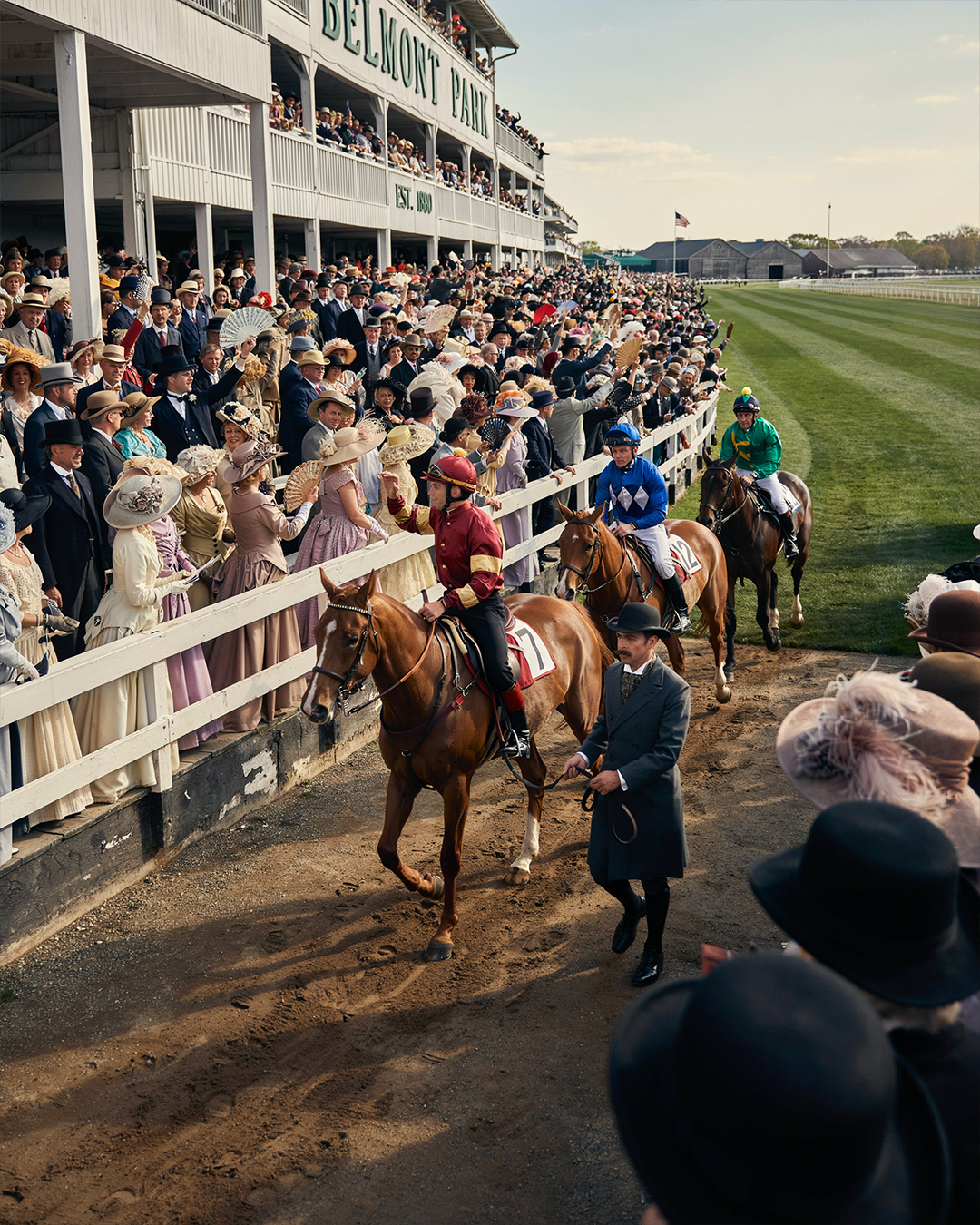
Elegant Thoroughbred racehorses being paraded before a prestigious American racetrack around 1890, jockeys in authentic colorful silks, beautifully dressed spectators in Victorian fashion watching from the grandstand, warm afternoon sunlight.

Racing, Streetcars, and Farm Life in Gilded Age America

By the late 19th century, horses were everywhere. They plowed farms, pulled streetcars, raced for sport, and hauled freight through booming industrial cities. This was, in many ways, the golden age of the horse in America.

Horse-drawn streetcars had become a resounding success by the 1870s, with one notable drawback: the manure. A single city horse could produce up to 30 pounds of waste a day, and major cities housed tens of thousands of them. Despite the mess, horses remained the beating heart of metropolitan life.

Horse racing, meanwhile, engaged the public imagination. Tracks drew huge crowds, and breeding fine horses became a mark of prestige. Families on farms relied on sturdy draft horses to plant and harvest crops, a partnership passed down from parent to child.

This era reflects American ambition at full gallop. As the country industrialized and expanded, horses powered both the work and the play of a confident, growing nation.

Help Save Wild Horses

Help save America’s wild horses and protect a living symbol of our nation’s freedom. Wild mustangs and burros are part of our Western heritage, yet many face overcrowded ranges, limited resources, and uncertain futures. By learning how wild horse herds are managed, supporting ethical adoption programs, and backing responsible conservation efforts, you can make a real difference for these iconic equines. Together, we can ensure that future generations still hear hoofbeats across America’s open landscapes and celebrate wild horses as part of our 250 years of independence.

1900-1920: Peak Horsepower

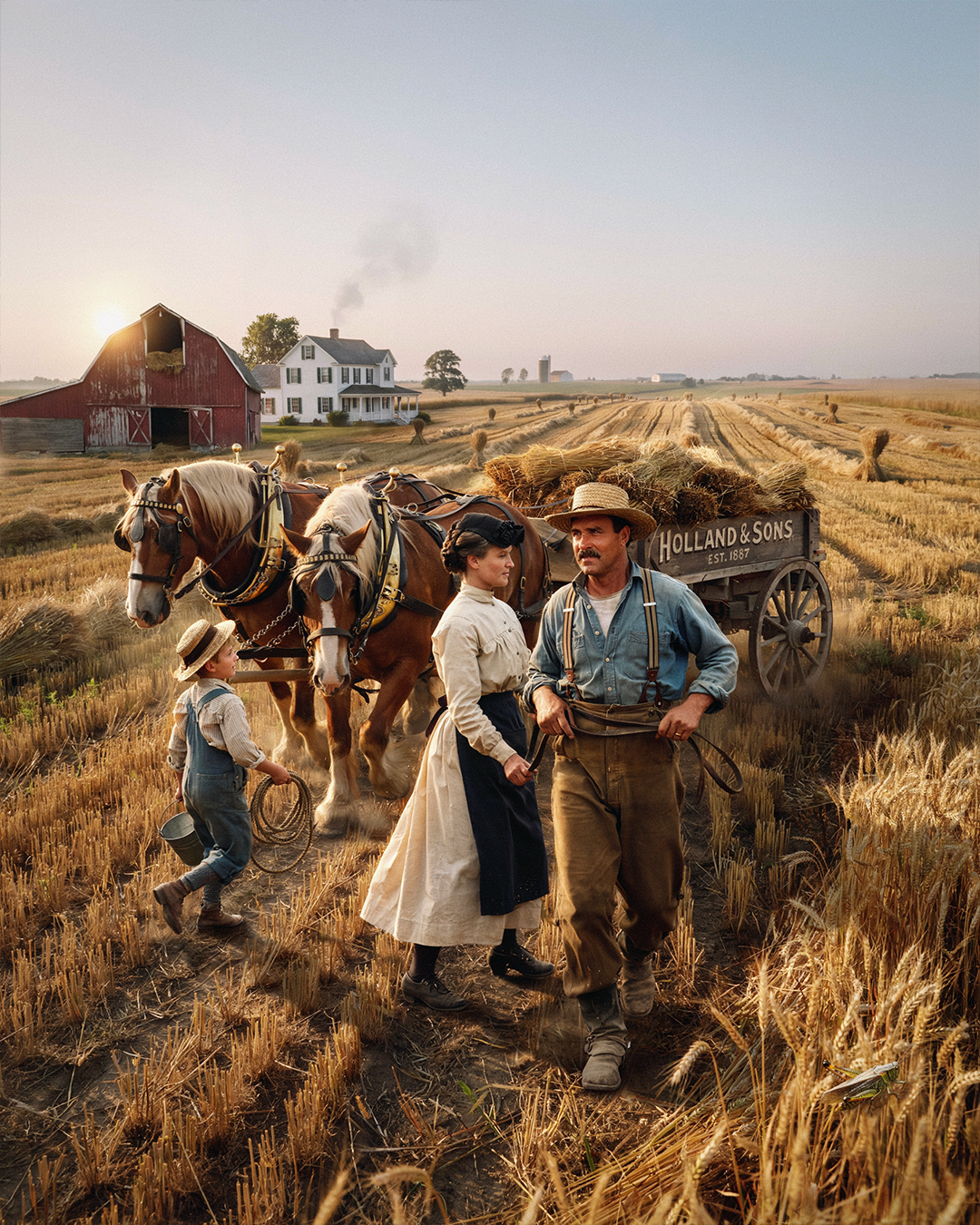
An American farming family around 1910 working beside a powerful team of Belgian draft horses pulling harvesting equipment across a golden field at sunrise, weathered red barn, white farmhouse, authentic early twentieth century clothing, rows of crops stretching into the distance, warm natural light, symbolizing prosperity, hard work and the importance of horses in rural America.

When Horses and Mules Powered a Growing Nation

Here’s a fact that surprises many people: America’s horse population peaked in the early 20th century, not the 19th. According to U.S. Census data compiled by Yale’s Energy History project, the horse and mule population reached 27.5 million in 1910—more than 600% higher than the 4.3 million recorded back in 1840.

Think about that for a moment. At the dawn of the automobile age, horses weren’t fading away. They were more numerous than ever. They pulled fire engines, delivered milk and ice, worked the farms, and moved goods through every town and city in the country.

For a turn-of-the-century farmer, a good team of horses was the most valuable asset on the property. These animals woke before dawn, worked the fields all day, and rested only after the chores were done. Generations of American families measured their prosperity in horseflesh.

This peak moment marks a turning point in the American story—the last great chapter before machines started to take over. It’s a reminder that innovation, the very engine of American progress, was about to change everything.

1920-1950: From Hooves to Horsepower

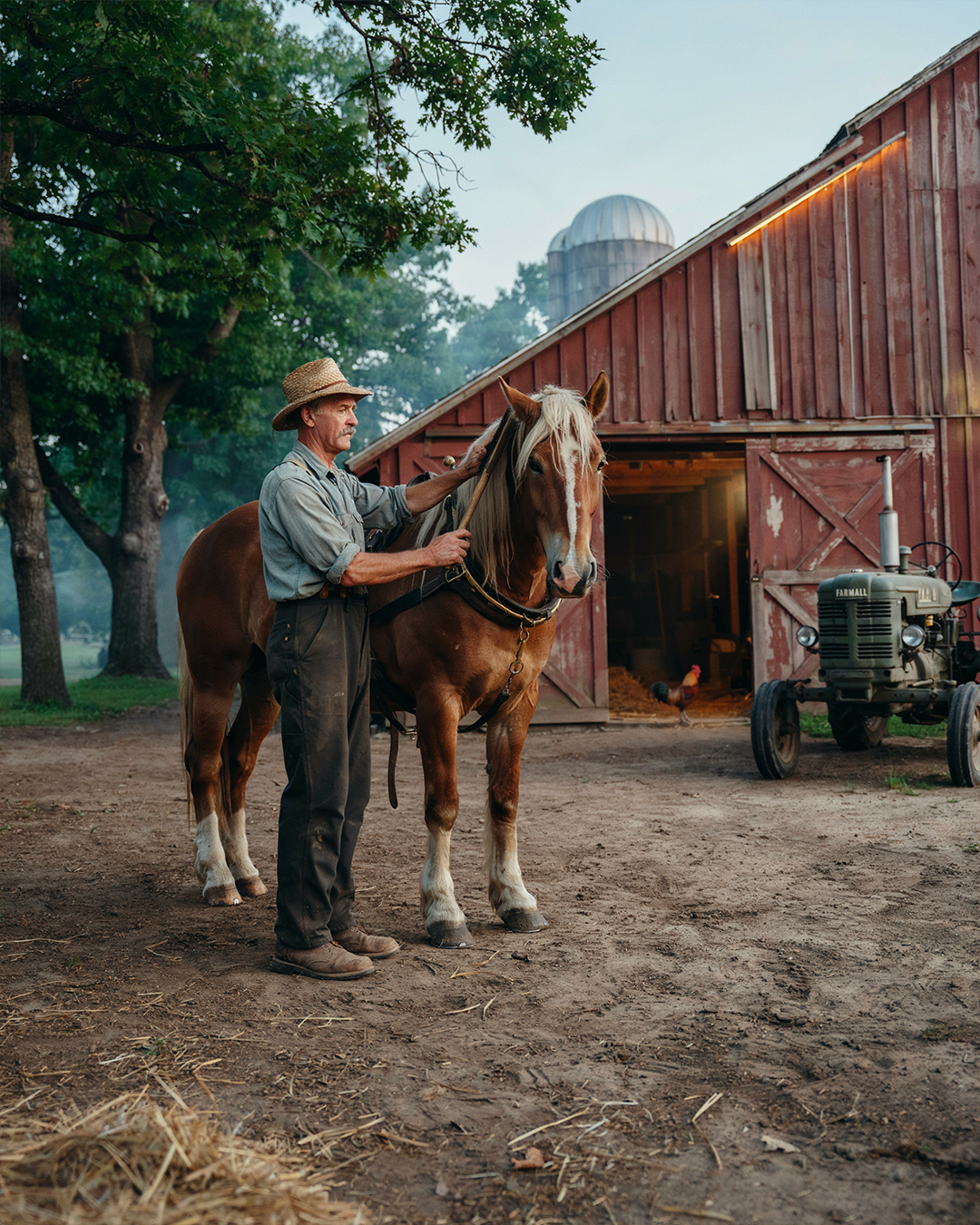
An elderly American farmer affectionately brushing the coat of his longtime draft horse outside a weathered barn around 1940, a modern tractor parked quietly in the background, warm evening sunlight, mature oak trees, authentic rural American setting, symbolizing gratitude, partnership and the changing role of horses in American life.

How Tractors and Automobiles Changed American Horses

The arrival of the automobile and the gasoline tractor transformed American life—and dramatically reshaped the role of the horse. As cars rolled off assembly lines and tractors took to the fields, the horse population began a steep decline.

Yet horses didn’t vanish from the American heart. In fact, one horse became a national sign of hope during the country’s darkest economic days. Seabiscuit, an undersized colt who lost his first 17 races, rose to become a Depression-era hero. In 1938, he beat the reigning Triple Crown winner, War Admiral, by four lengths in a famous match race at Pimlico. That same year, Americans voted him Horse of the Year.

Why did a struggling nation rally around an underdog horse? Seabiscuit’s comeback emulated the hopes of millions of Americans fighting through hard times. His story proved that grit and heart could overcome long odds—a deeply American idea if there ever was one.

As tractors replaced plow horses, the horse shifted from a tool of survival to a source of inspiration. The transition signified the end of one era and the quiet beginning of another.

1950-1976: Wild Mustangs and American Identity

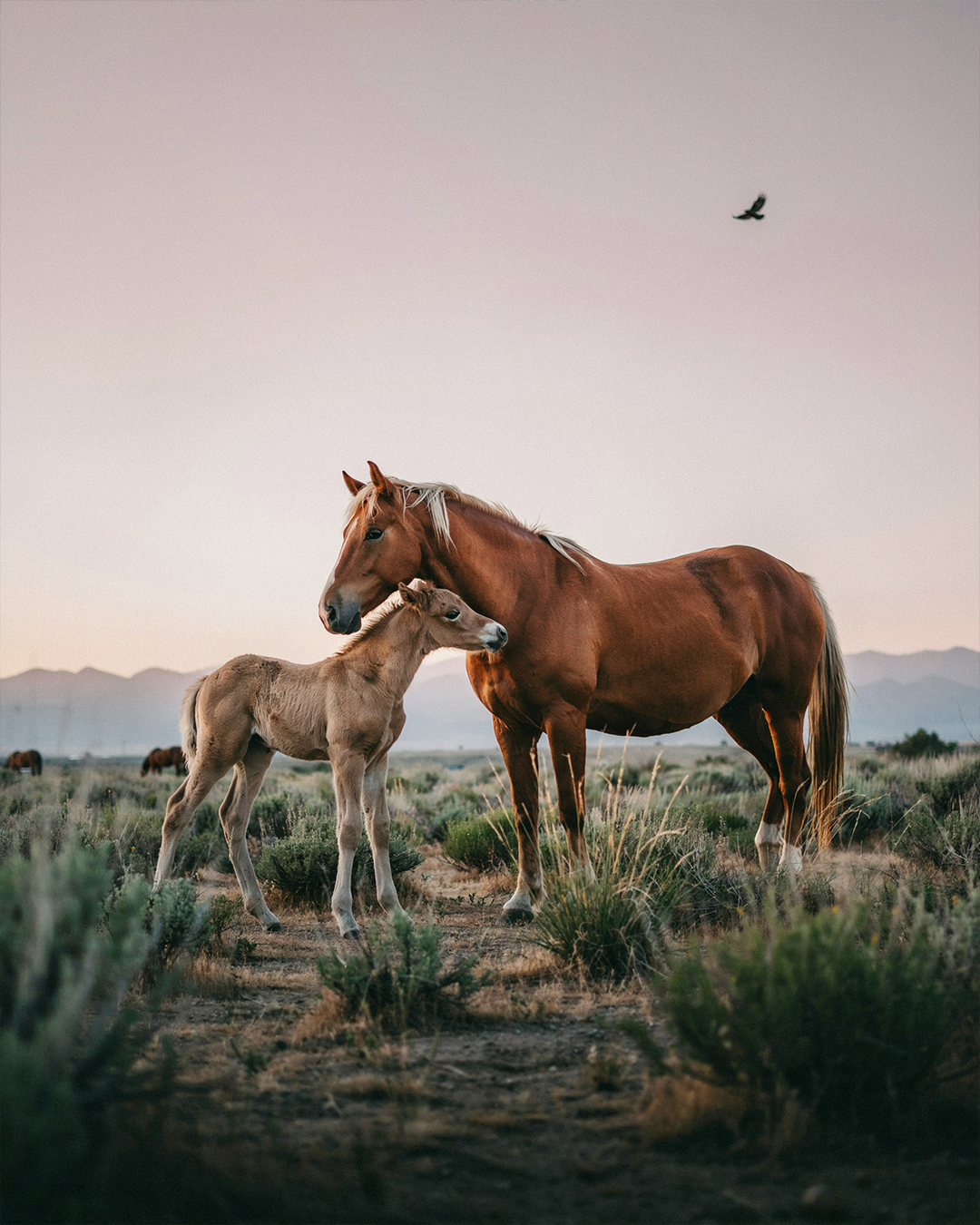
A wild mustang mare gently nuzzling her young foal beneath the warm glow of a western sunset, native grasses swaying in the breeze, distant mountain ranges fading into soft evening haze, peaceful natural behavior.

Protecting Free-Roaming Horses

By the mid-20th century, wild horses roaming the western rangelands faced a serious threat. Commercial hunters, known as “mustangers,” rounded up wild horses for profit, often using brutal methods that shocked the public.

One woman changed the course of history. Velma B. Johnston—better known as “Wild Horse Annie”—launched a grassroots campaign in the 1950s to protect these animals. Her movement famously rallied schoolchildren across the country to write letters to Congress. As the Associated Press noted in 1959, “Seldom has an issue touched such a responsive chord.”

Her efforts paid off. In 1959, the “Wild Horse Annie Act” banned the use of motorized vehicles to hunt wild horses on public lands. Then, in a landmark moment, Congress unanimously passed the Wild Free-Roaming Horses and Burros Act, which President Richard Nixon signed into law on December 18, 1971. The law declared wild horses and burros “living symbols of the historic and pioneer spirit of the West.”

That phrase says it all. The wild mustang became a symbol of American freedom itself—untamed, resilient, and worth protecting. Just as the Declaration of Independence enshrined liberty for people, this law enshrined freedom for the horses that helped settle the land.

1976-2000: From Work Partner to Sport Partner

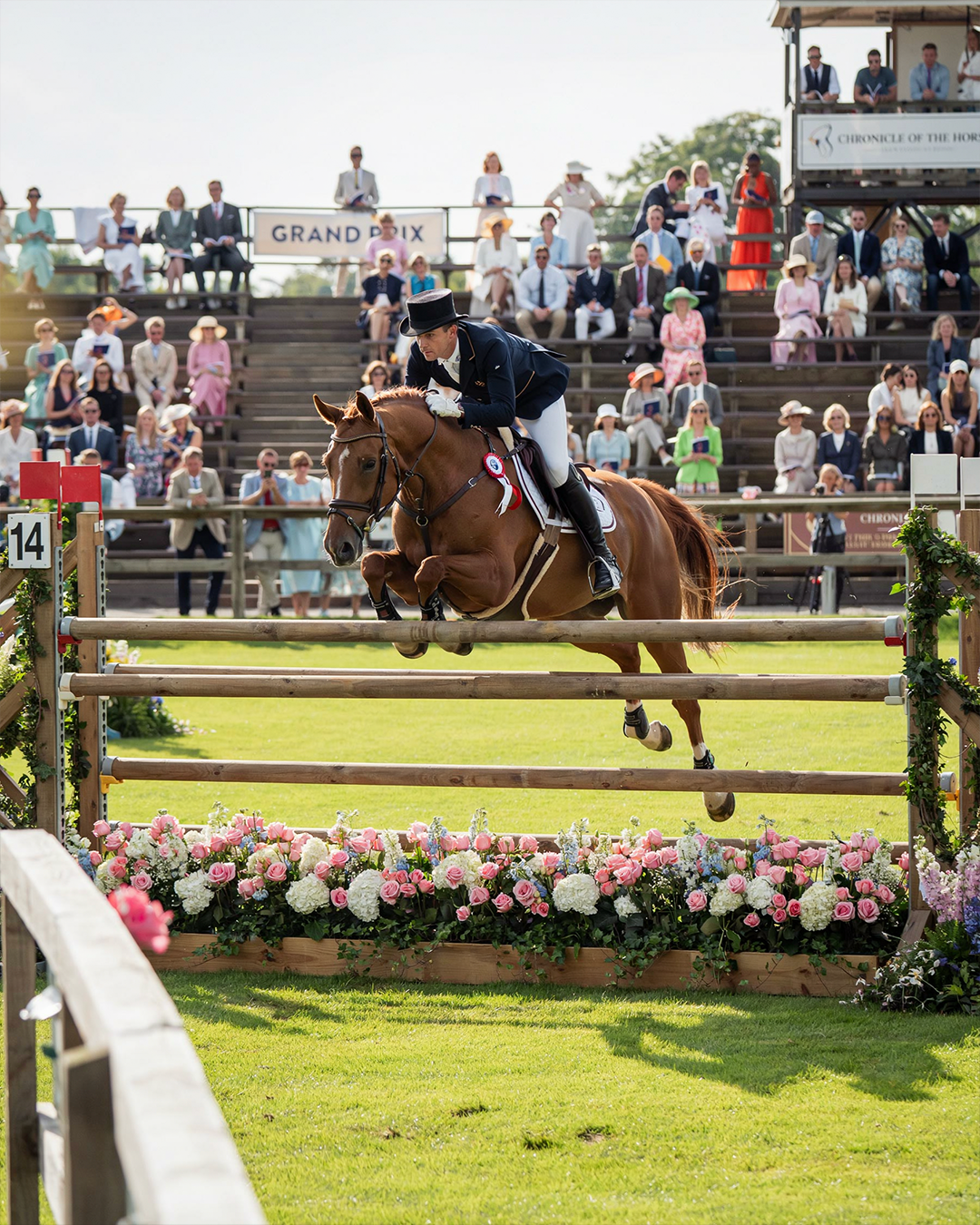
An accomplished American show jumper and elegant warmblood horse clearing a classic grand prix fence during a prestigious equestrian competition in the late 1980s, beautifully manicured grass arena, tasteful floral jumps, spectators dressed in refined attire, bright natural afternoon light.

The Modern Horse Industry in America

As the 20th century rolled on, the horse’s role transitioned once again—from working animal to sport, recreation, and companion. Yet horses still had the power to captivate the entire nation.

Consider Secretariat. On June 9, 1973, this magnificent chestnut colt won the Belmont Stakes by an astonishing 31 lengths, becoming the first Triple Crown winner in 25 years. His performance remains one of the greatest athletic feats in American sports history. Crowds wept. Reporters ran out of superlatives. A horse had reminded the country what greatness looked like.

During these decades, horse ownership became less about labor and more about passion. Americans rode for pleasure, competed in shows, and bonded with horses as treasured companions. The industry built around training, breeding, and competition grew into a major economic force.

This evolution embodies a maturing nation—one with the freedom and prosperity to pursue joy, sport, and connection. The horse, once a necessity, came to be a cherished part of American leisure and identity.

2000-2026: Horses and America’s 250th Birthday

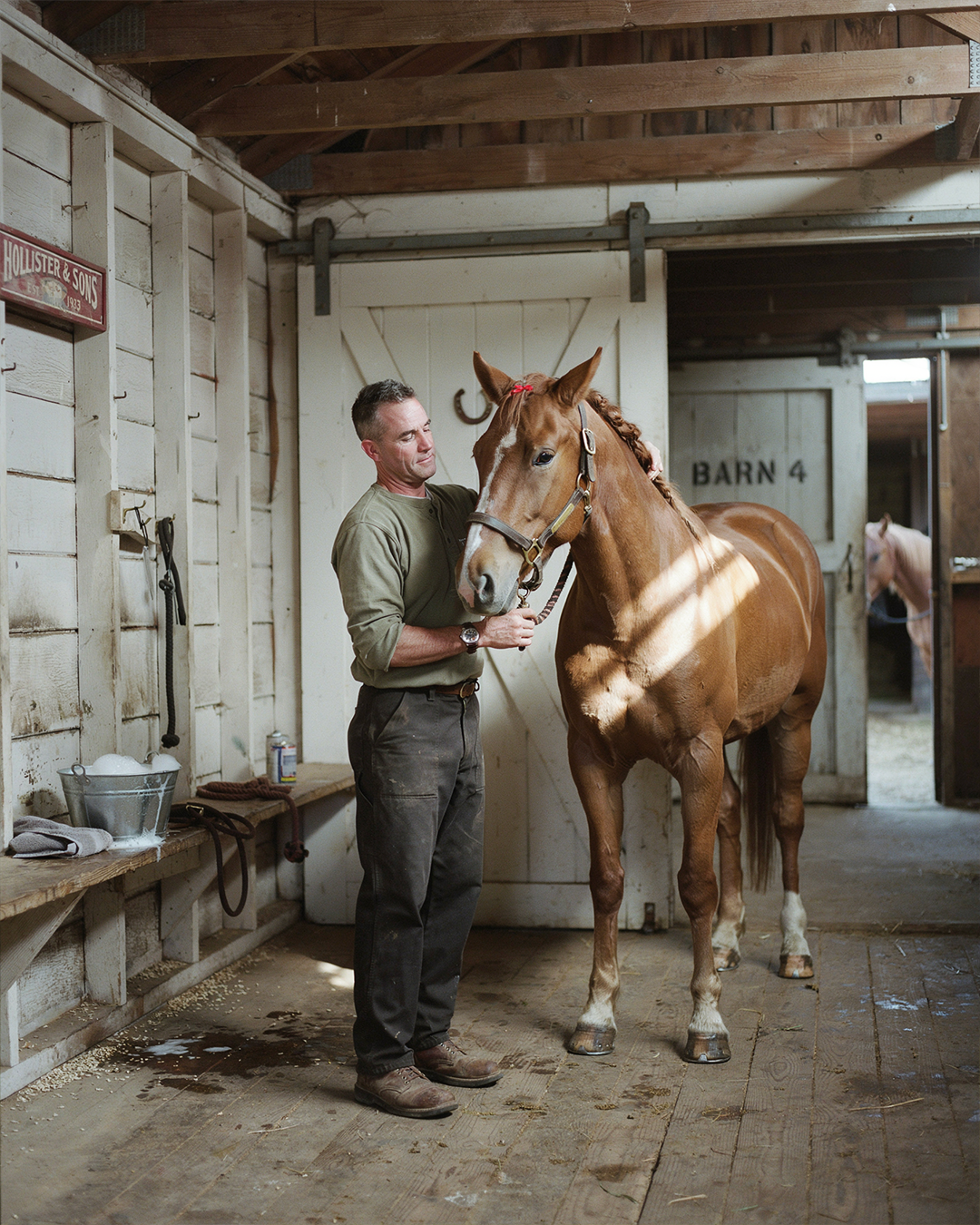
A military veteran quietly grooming a gentle therapy horse inside a beautifully restored American barn, warm morning sunlight streaming through wooden doors, peaceful atmosphere, authentic contemporary clothing, the horse calmly lowering its head toward the veteran, symbolizing trust, healing and hope through equine-assisted therapy.

Why Equines Still Matter in the 21st Century

Two and a half centuries after the Revolution, horses remain a vibrant part of American life. The United States is home to over 6.7 million horses, and the equine industry generates a total economic impact of $177 billion while supporting 2.2 million jobs. About one-third of American households include a horse enthusiast.

The horse’s modern role goes far beyond sport. Today, horses heal. Equine-assisted therapy programs—numbering around 877 across the country—help veterans with PTSD, children with disabilities, and people working through trauma. Picture a veteran standing in a quiet barn, grooming a gentle horse that asks for nothing but trust. Many describe these instances as game-changing.

As Dr. Karin Bump of the EQUUS Foundation put it, “America’s story cannot be told without the horse.” To honor the milestone, celebrations are planned for 2026, including Rodeo 250—”The Evolution of the American Cowboy”—which will be held on the National Mall in Washington, D.C., from June 25 through July 10, 2026. A special July 4th performance will showcase horsemanship, trick riding, and the living history of the American West.

This brings the 250-year journey full circle. From Washington’s warhorse to the therapy horses and mustangs of today, equines have carried America through war, expansion, hardship, and triumph. As fireworks light up the sky on July 4th, 2026, it’s worth remembering the steady hoofbeats that helped make it all possible.

Honoring 250 Years of American Horsepower

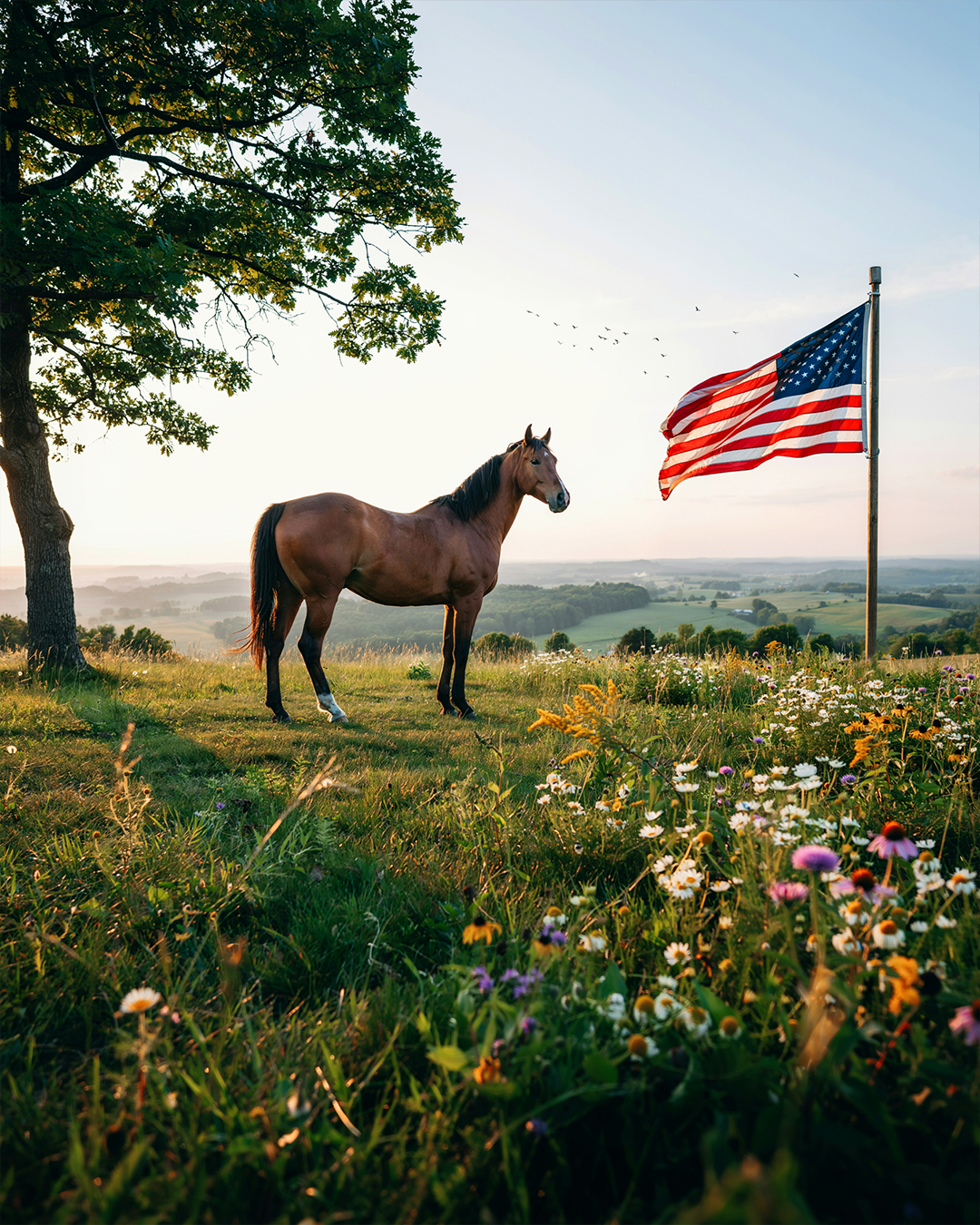
An unforgettable editorial portrait of a magnificent chestnut horse quietly looking toward a brilliant American sunrise from a grassy hilltop, a large American flag on a classic wooden flagpole proudly waving in the gentle morning breeze beside the horse, wildflowers moving naturally across the meadow, a mature oak tree framing the scene, endless rolling countryside stretching toward the horizon, warm golden sunrise light illuminating the horse and flag, symbolizing freedom, resilience, gratitude and 250 years of American history.

Horses Didn’t Just Witness American History

Horses didn’t just witness American history—they helped create it. They carried soldiers to independence, settlers to new frontiers, and a struggling nation through its hardest days. Even now, they heal, inspire, and connect us.

As America celebrates its 250th birthday, here are a few ways you can honor that legacy:

  • Visit a historic site like Mount Vernon, where you can learn about Washington’s horses firsthand.
  • Support equine charities that protect wild mustangs and rehome horses in need.
  • Attend a 2026 celebration such as Rodeo 250 on the National Mall to experience living horse history.
  • Learn more about equine-assisted therapy programs in your community.

The next time you see a horse—whether in a field, at a parade, or galloping across a screen—remember the remarkable role these animals have played in 250 years of American freedom.

Frequently Asked Questions

From the battlefields of the Revolutionary War to the wide-open landscapes of the American West, horses have been woven into the story of the United States for nearly 250 years. As America celebrates its 250th anniversary, many people are rediscovering the remarkable role horses have played in shaping the nation’s history, culture, economy, and enduring spirit of freedom. Here are answers to some of the most common questions about horses and Independence Day.

Yes. Horses were essential during the Revolutionary War, carrying officers, scouts, messengers, and supplies. George Washington, called “the best horseman of his age” by Thomas Jefferson, rode his warhorse Nelson at the British surrender at Yorktown in 1781, the victory that effectively secured American independence.
Washington’s most famous horse was Nelson, a chestnut gifted to him in 1778 by Thomas Nelson of Virginia. Washington favored Nelson because the horse stayed calm during cannon fire. Nelson retired to Mount Vernon and lived for about 27 years.
The Wild Free-Roaming Horses and Burros Act of 1971, signed by President Nixon, officially called wild horses “living symbols of the historic and pioneer spirit of the West.” Their untamed, resilient nature reflects the same ideals of freedom and independence that Americans celebrate on July 4th.
The United States is home to over 6.7 million horses. The equine industry contributes a total economic impact of $177 billion and supports 2.2 million jobs, with about one-third of American households including a horse enthusiast.
Yes. Rodeo 250, titled “The Evolution of the American Cowboy,” will take place on the National Mall in Washington, D.C., from June 25 through July 10, 2026, with a special performance on July 4th. The event celebrates horsemanship and the role of horses in American history.

Learn More About Therapeutic Riding

Learn more about therapeutic riding and discover how horses help people of all ages build strength, confidence, and emotional well‑being. Therapeutic riding programs support individuals with physical, cognitive, and sensory challenges through structured, professional instruction. These equine‑assisted activities can improve balance, coordination, communication, and social skills while offering a powerful bond between horse and rider. Exploring therapeutic riding is a meaningful way to understand how horses still change lives in modern America, far beyond the arena or show ring.